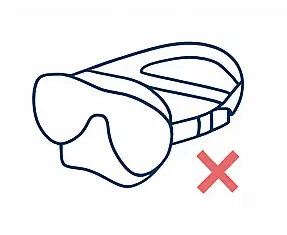
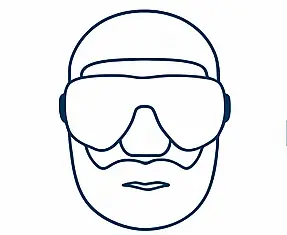
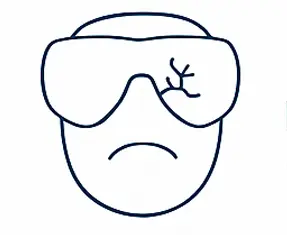
Diving mask leaks occurs when the mask skirt fails to seal properly against the contours of the face. Perform a dry suction test before purchase (hold ≥10 seconds). 92% of leakage issues can be immediately identified this way.
Step 1
Place the mask on your dry face(no strap, no water).
Step 2
Inhale gently through your nose to create suction.
Step 3
Release your hands -the mask should stay on your face for at least10 seconds.
Step 4
If it falls off or air leaks.the mask doesn’t fit.
Diving mask leaks diagnosis and repair guide
The Mask Doesn’t Fit Your Face Properly
A poor fit is the most common reason for diving mask leaks. Each person’s facial structure is different, and not all masks are created equal. If the skirt of the mask doesn’t seal evenly on your face, water will find its way in.
Solution: Try the mask-on-face test before buying — press the mask against your face without using the strap and gently inhale through your nose. If it stays on without falling, it likely fits you well.
Straps Are Too Tight or Too Loose
Many people think tightening the straps more will prevent scuba diving leaks — but that’s a myth. Over-tightening can warp the skirt, causing uneven pressure and leakage.
Solution: Adjust the straps until they’re snug but not digging into your skin. The silicone skirt should naturally create a seal with moderate tension.
Hair or Debris Is Caught in the Skirt
Even a small strand of hair or a few grains of sand can break the seal. This is especially common with long hair or facial hair.
Solution: Before putting on the mask, ensure your face and mask skirt are clean. Move your hair away from your forehead and temples.
The Mask Skirt Is Old or Damaged
Over time, the silicone skirt of the mask can harden, crack, or lose elasticity, reducing its ability to form a watertight seal.
Solution: Regularly inspect your mask. If you notice discoloration, cracking, or stiffness, it’s time for a replacement.
You’re Smiling or Making Expressions
Yes, your facial expressions can affect the seal! Smiling or squinting can cause small gaps, especially around the nose or cheeks.
Solution: Keep your face relaxed while underwater. Practice using your regulator and mask to stay calm and expressionless during the dive.
Important Notes
Do not use Vaseline. It dissolves silicone material, causing permanent damage to the edges of the mask.
Do not fold the mask when storing it. This may cause permanent creases and damage the seal.
Avoid direct sunlight. Ultraviolet rays accelerate the hardening of the edges by three times.
Take action now!:
Learn how to clean your diving mask to make it last longer.