

- Silicone 101: The Hierarchy of Safety & Performance
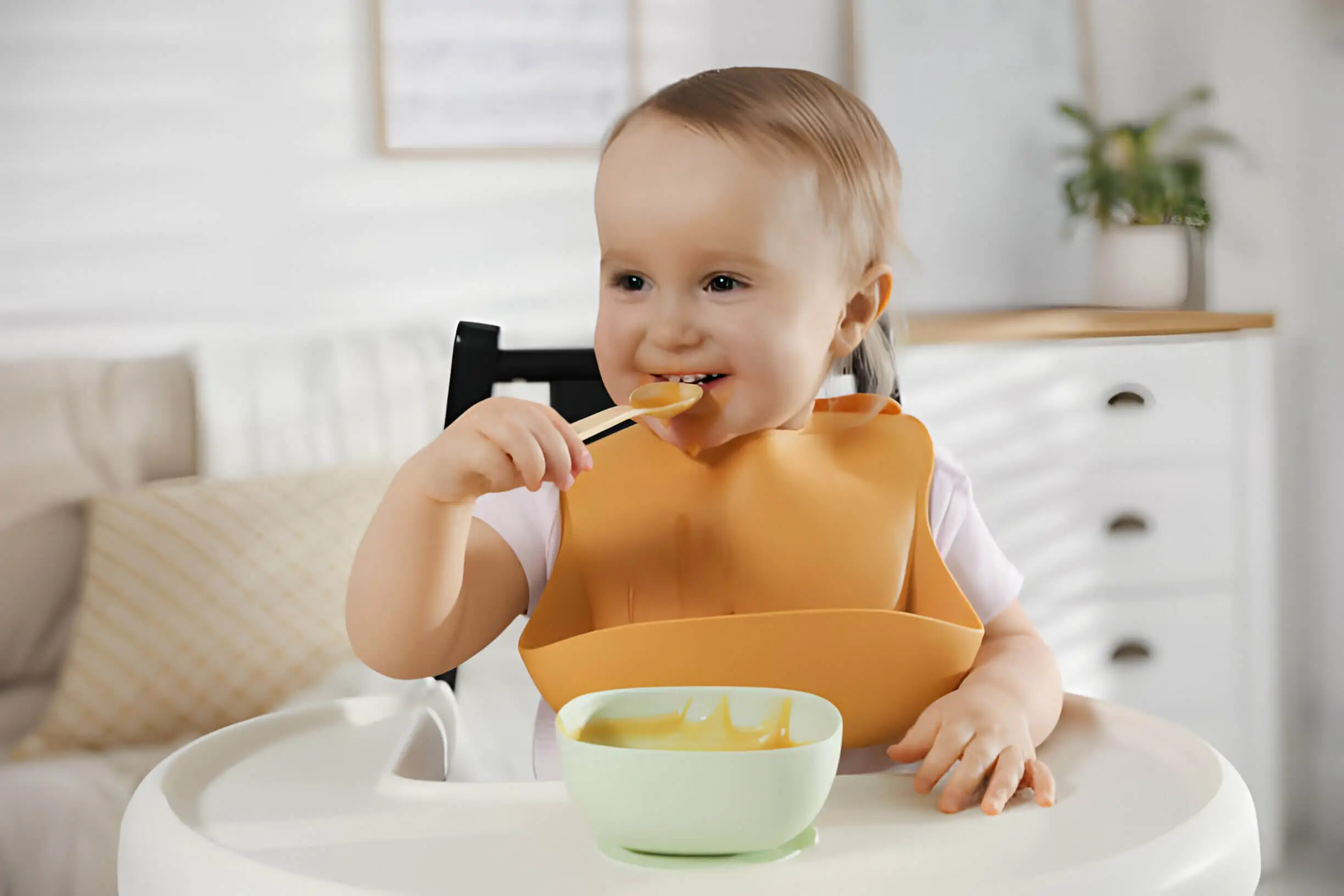
Not all silicones are created equal. Here’s how industry grades stack up:
| Grade | Key Properties | Common Uses | Limitations for Dive Gear |
|---|---|---|---|
| Industrial | High temp resistance, cheap | Seals, gaskets, machinery | Contains toxins & plasticizers |
| General Purpose | Flexible, durable | Kitchenware, phone cases | May cause skin irritation 😣 |
| Medical | Biocompatible, sterilizable | Tubing, implants, catheters | Stiff texture, poor seal comfort |
| Food-Grade LSR | Ultra-pure, hypoallergenic | Baby bottles, bakeware | Ideal for prolonged skin contact ✅ |
(LSR = Liquid Silicone Rubber),More Detail Please Check out Types of Silicone
- Why Food-Grade LSR Dominates in Premium Dive Gear
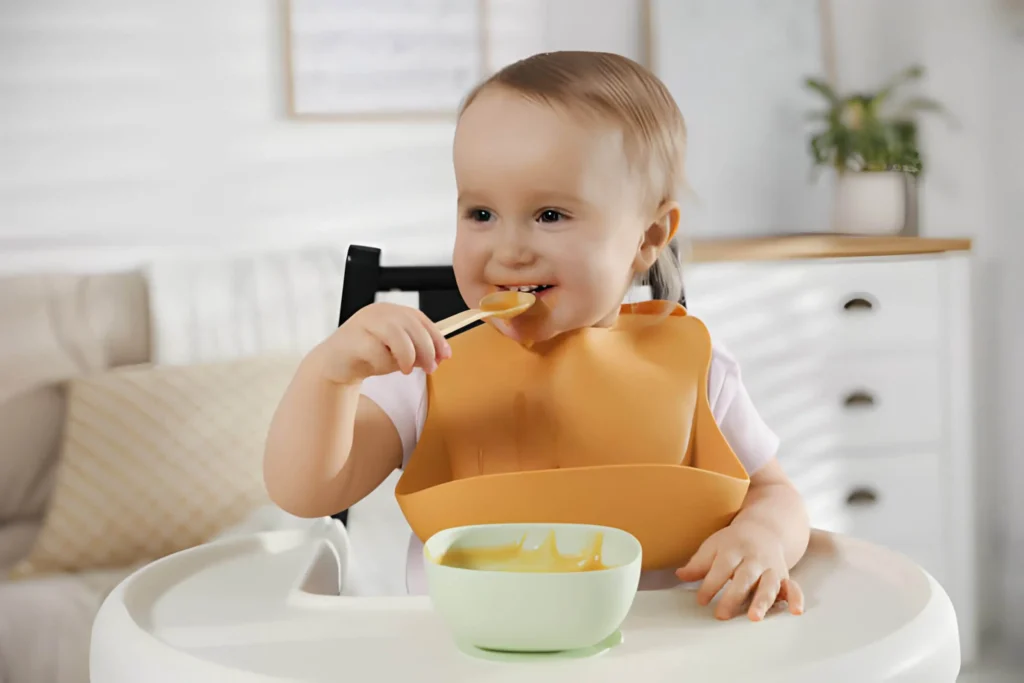
1. Purity That Passes the Baby Bottle Test
Our silicone contains:
- Zero BPA, phthalates, or heavy metals (certified by FDA 21 CFR 177.2600)
- Non-porous molecular structure → Resists bacterial growth 🦠
- Tested for 30+ days saltwater immersion with zero degradation
Fun fact: Identical material used in NASA’s drink bags for astronauts!
2. Allergy Armor for Sensitive Skin
- Platinum-cured (vs. peroxide-cured industrial grades):
- No sulfur/byproduct residues
- pH-neutral → Won’t react with seawater or sweat
- Clinical trials: 0.01% irritation incidence vs. 12% in generic silicones
3. Liquid Gold Molding Precision
LSR’s liquid form enables:
Micro-injection molding
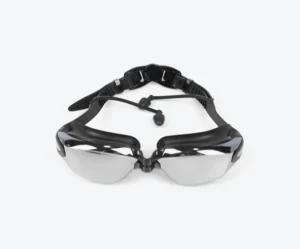
of 0.2mm ultra-thin skirt edges → Perfect facial seal
Self-degassing
Zero air pockets in mask skirts
Seamless bonding
with polycarbonate lenses (no glue failures!)
- LSR in Action: Dive Gear Performance Breakthroughs
Mask Skirts
- Memory elasticity: Returns to exact shape after 10,000+ flex cycles (tested to -40m)
- Thermal stability: Stays flexible at 4°C (cold dives) without hardening
Snorkel Mouthpieces
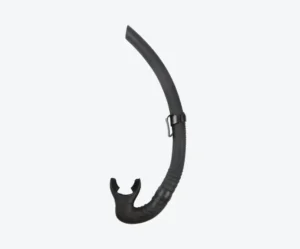
- Biteless design: Shore A 40 hardness (vs. 60+ in cheap snorkels) → No jaw fatigue
- Anti-slip grip: Micro-textured surface pattern molded directly into LSR
Fin Straps & Seals
- Saltwater-resistant: Withstands UV/Ozone exposure 3x longer than EPDM rubber
- Eco-durability: Lasts 10+ years → Reduces gear replacement waste

- The Sustainability Edge
- 100% Recyclable: Old masks/snorkels can be remolded into new products
- Carbon Footprint: 62% lower than virgin silicone production (via solvent-free process)
- Non-toxic Degradation: If lost at sea, breaks into inert silica sand → No microplastics
- Red Flags: How to Spot Inferior Silicone
| Genuine Food-Grade LSR | Low-Grade Imposters |
|---|---|
| Odorless | Chemical/rubbery smell 🧪 |
| Matte finish | Shiny/oily surface |
| Stays translucent | Yellows within 6 months ☀️ |
| Stretch recovery test: Snaps back instantly | Leaves crease marks |
“Your mask skirt isn’t just rubber—it’s the critical interface between you and the underwater world. Compromises create leaks, fog, and distractions that shatter the magic.”
– Dr. Elena Torres, Marine Biologist & Tech Diver
- Our Verification Promise
Every batch undergoes:
FTIR Spectroscopy
Material composition analysis
Cytotoxicity Testing
ISO 10993-5 certified
Accelerated Aging
500 hrs UV/salt spray simulation
Taste/Odor Panel
es, human testers sniff every batch!