

1. Why diving mask lenses matter for wholesale buyers
Unlike B2C shoppers who compare aesthetics, wholesalers sourcing diving mask lenses evaluate products through a different lens — literally. You're looking at:
- Compliance risk: CE, EN 13319, and ISO standards vary by lens type.
- Warranty & return exposure: Material durability directly affects after-sale costs.
- Channel fit: Dive shops, rental fleets, resort chains, and e-commerce platforms each have different needs.
- Price architecture: Lens type is a primary driver of FOB cost and retail margin.
Understanding these trade-offs lets you build a diving mask lens wholesale catalog that serves multiple customer segments — without over-investing in specs your buyers don't need.
2. Tempered glass diving mask lenses: properties & wholesale fit
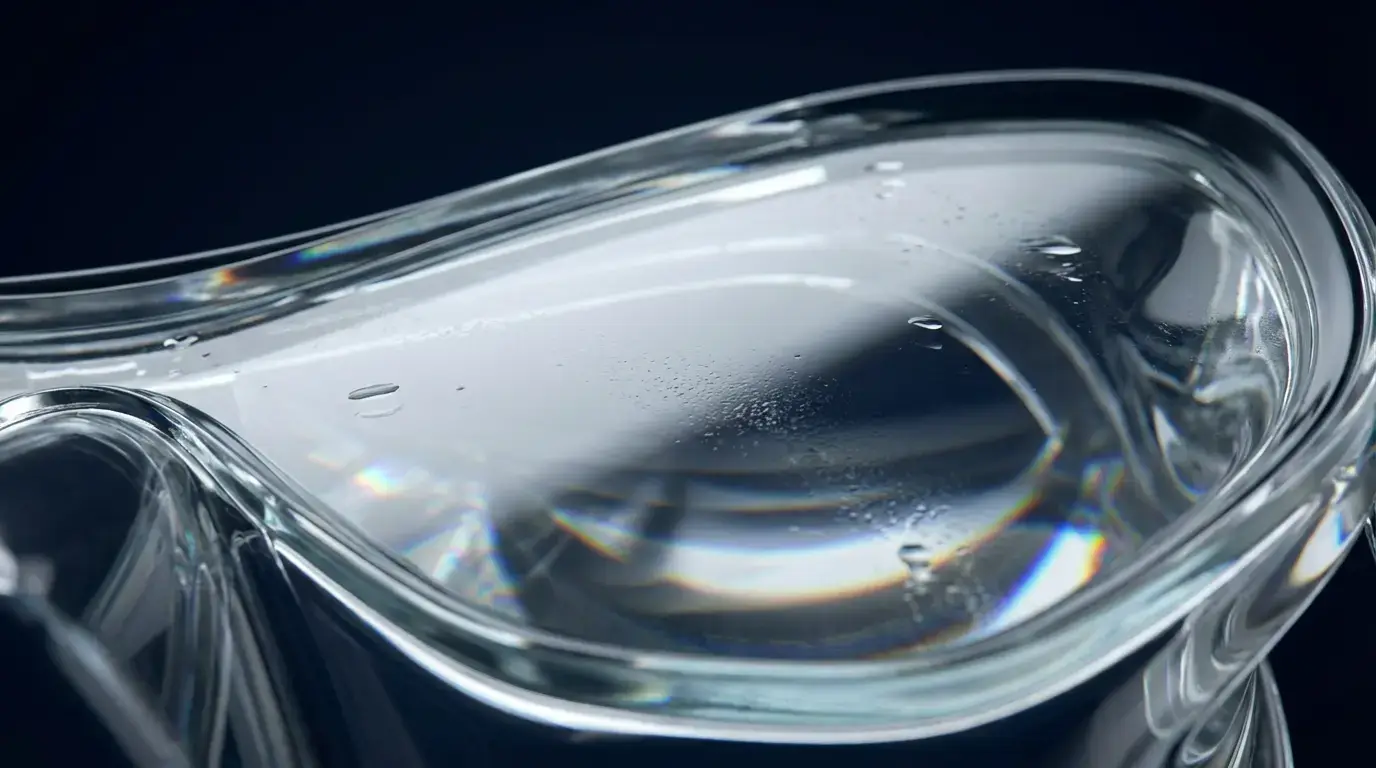
Tempered glass lens — the industry standard for recreational and professional scuba masks.
What is tempered glass in a diving mask?
Tempered glass (also called toughened glass) is produced by heating float glass to over 600 °C and then rapidly cooling it. This thermal process creates surface compression that dramatically increases impact resistance compared to standard glass. For diving mask lenses wholesale, tempered glass is the established standard for recreational and professional masks.
Key properties
Tempered glass offers superior optical clarity with near-zero distortion at any viewing angle — a critical advantage in underwater environments where accurate spatial perception matters. Its refractive index closely matches that of water, reducing visual aberrations. It is also highly resistant to scratches from sand, salt crystallization, and tank equipment, making it the preferred choice for long-service-life products.
When tempered glass does break, it shatters into small, rounded granules rather than sharp shards — a safety property mandated by many certification bodies.
Limitations for distributors
Tempered glass adds weight — a typical single-lens mask runs 30–50 g heavier than a polycarbonate equivalent. It is also non-prescription-adaptable without secondary processing, and the manufacturing process makes very large or highly curved lens formats cost-prohibitive at scale.
3. Polycarbonate diving mask lenses: properties & wholesale fit
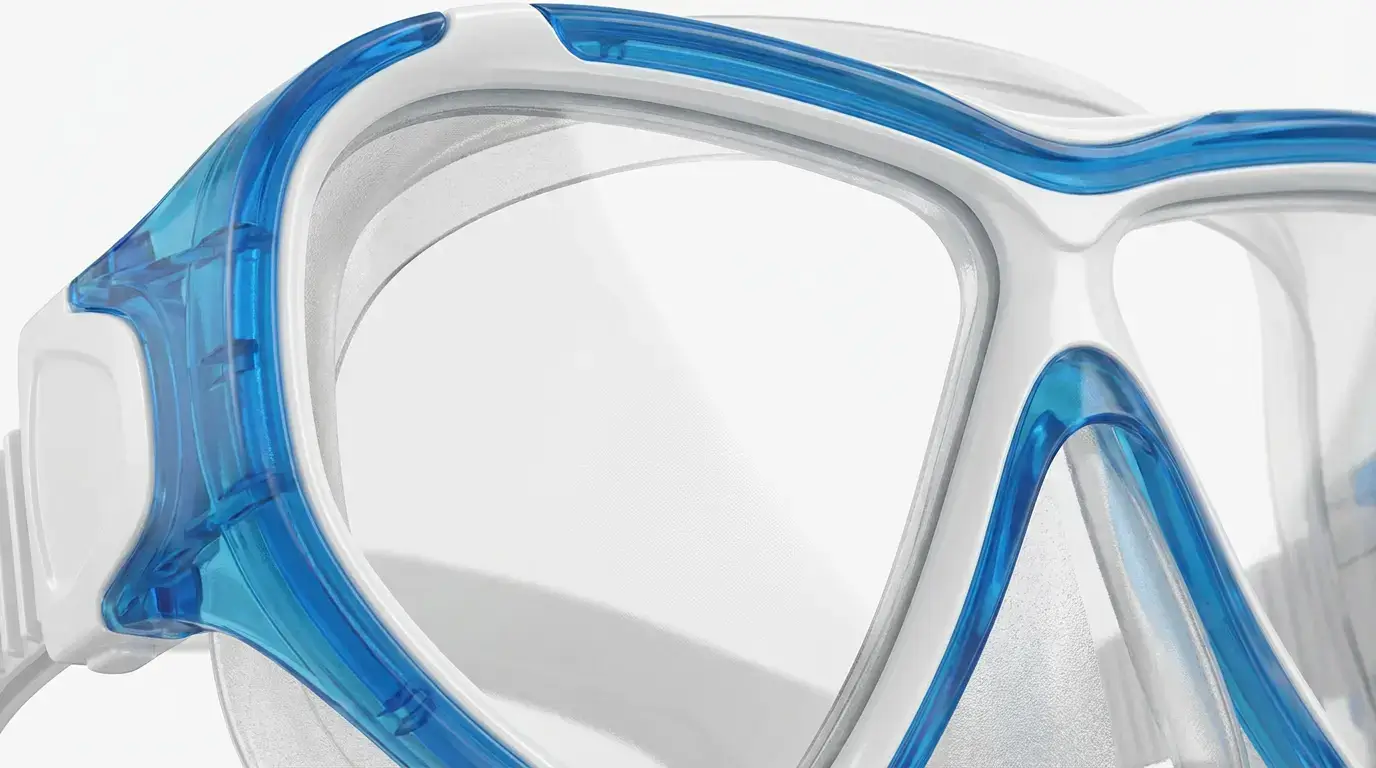
Polycarbonate mask — lighter, more flexible in design, and cost-effective for high-volume sourcing.
What is polycarbonate in a diving context?
Polycarbonate is a high-impact thermoplastic widely used in sports eyewear, safety goggles, and snorkel gear. As diving mask lenses wholesale, PC lenses are injection-molded into shape and often treated with anti-scratch (AS) and anti-fog (AF) coatings. They are the dominant material for entry-level and snorkeling masks.
Key properties
The primary commercial advantage of polycarbonate is its significant cost reduction — PC lenses can be produced at 40–65% of the FOB cost of equivalent tempered glass lenses at comparable MOQs. PC is also substantially lighter, enabling mask designs under 200 g total weight, which resonates with travel retail and youth markets.
Polycarbonate's thermoplastic nature allows for complex geometric forms, large panoramic lens designs, and lens-in-frame integration that are difficult or impossible with glass — giving product designers more latitude on aesthetics and differentiation.
Limitations for distributors
Optical clarity is meaningfully lower than tempered glass, with more noticeable distortion at peripheral angles. PC is susceptible to scratch damage over time — even with hard coatings — which increases rental replacement cycles. Some markets (Germany, France, Japan) have consumer expectations or regulatory guidance that effectively require glass for masks sold as "scuba" equipment.
4. Tempered Glass vs Polycarbonate Diving Mask Lenses: Side-by-Side
| Criterion | Tempered Glass | Polycarbonate |
|---|---|---|
| Optical clarity | Excellent — minimal distortion | Good — some peripheral distortion |
| Impact resistance | High — tempered process | Very high — flexible material |
| Scratch resistance | Excellent — inherent hardness | Moderate — depends on coating |
| Weight | Heavier — +30–50 g typical | Lighter — preferred for travel |
| Relative FOB cost | Higher — 100% baseline | Lower — ~40–60% of glass |
| Certification suitability | CE / EN 13319 standard | Snorkel / CE compliant with caveats |
| Design flexibility | Limited — flat or mildly curved | High — panoramic, wraparound |
| Best channel fit | Dive shops, pro training, premium retail | Snorkel kits, resort rental, mass market |
| Typical MOQ range | 300–500 pcs (standard models) | 200–500 pcs (higher flexibility) |
| Breakage pattern | Granular — safer fragments | Does not shatter — bends/cracks |
5. Which wholesale buyers need which diving mask lens?
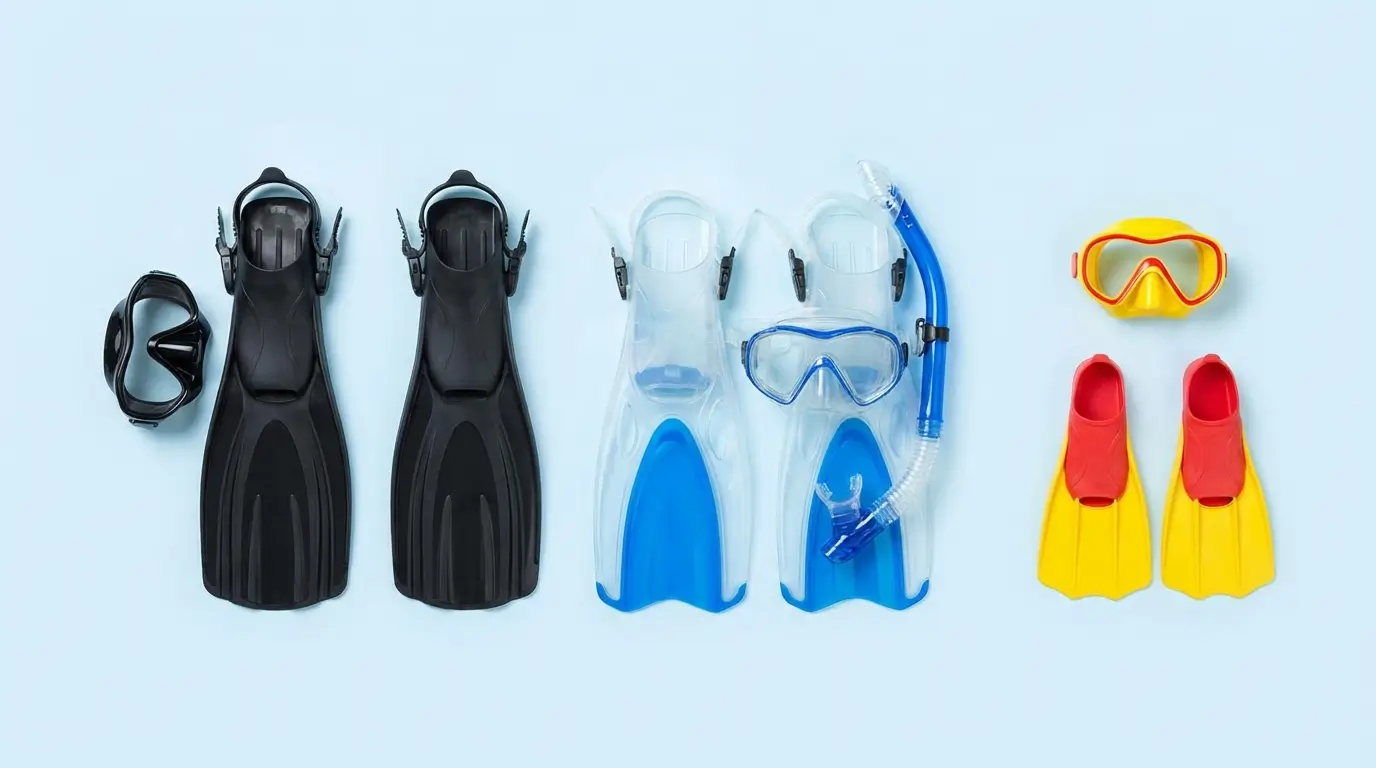
Different channels demand different specs — matching lens material to end-user is key to reducing returns and building repeat orders.
Scuba dive shops
Tempered glass only. Customers are informed and expect CE/EN certification. Glass is a sales point, not a premium.
Resort & hotel fleets
Polycarbonate preferred. High turnover, frequent replacement, and beginner users make cost efficiency paramount.
E-commerce / Amazon
Both tiers work. PC for value listings; tempered glass for premium ASINs targeting certified divers.
Travel retail
Polycarbonate wins on weight and price. Compact snorkel sets outperform in airports and cruise shops.
Youth & children's
Polycarbonate standard. Lighter weight, lower safety risk from breakage, cost-appropriate for parent budgets.
Professional / military
Tempered glass, often with additional optical specs. Buyers have procurement documents specifying material grade.
6. OEM & private label: sourcing diving mask lenses wholesale
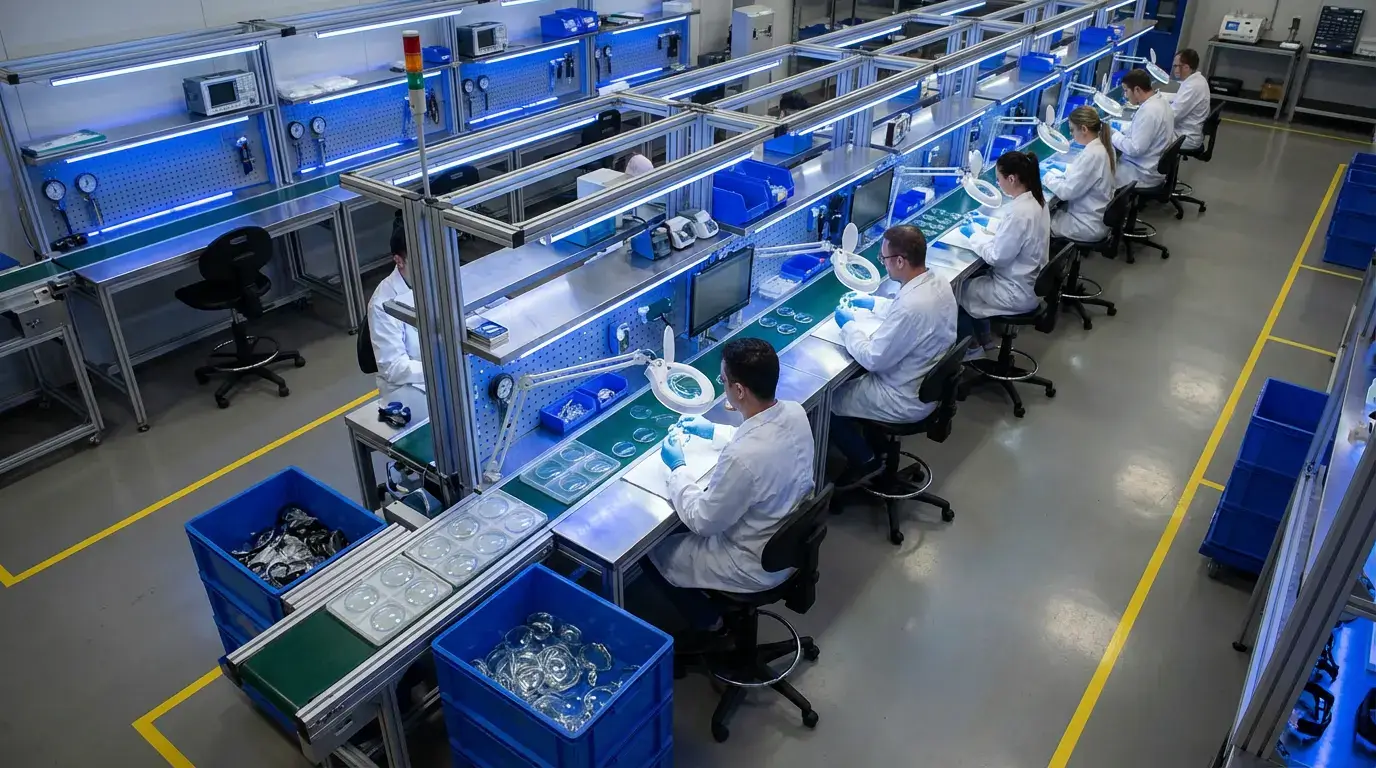
OEM lens selection is made at the mold stage — knowing the right questions to ask your factory saves costly revisions later.
If you're sourcing OEM or custom private-label masks from a factory, lens material selection is typically made at the mold and spec stage — not as an interchangeable option. Here's what to clarify with your factory contact:
- Is the lens tempered in-house or sourced from a glass subcontractor?
- What is the tempering specification (surface compression in MPa)?
- For PC lenses: what AS/AF coating is applied, and what is the Bayer abrasion test result?
- Are third-party test reports (SGS, Intertek, BV) available for the specific lens model?
- What is the minimum order for a custom lens tint or mirrored coating?
Coating upgrades worth the cost
For polycarbonate masks targeting premium channels, specifying a hard-coat (HC) layer on the outer surface and a hydrophilic anti-fog layer on the inner surface can significantly reduce customer complaints and retail returns — often adding only $0.30–$0.80/unit at volume. This is a high-ROI upgrade to include in your private-label spec sheet.